







.webp)
.webp)
Tape Measures in Healthcare and Medical Practice
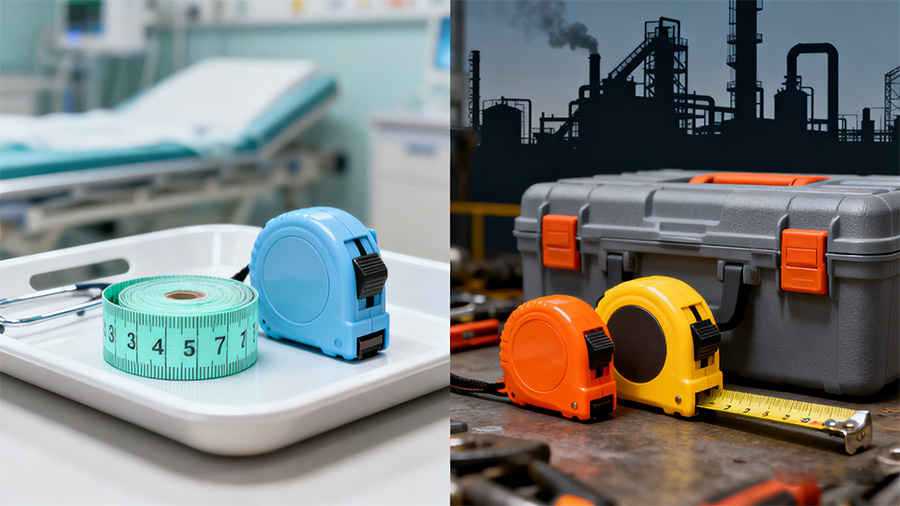
In clinical and healthcare settings, a tape measure is much more than a mundane instrument — it becomes a critical diagnostic, monitoring, and documentation tool. From wound measurement to child growth tracking and fitness monitoring, specialty tape measures play key roles in patient care. This article explores how various types of tape measures are used in medical and health-care settings, best practices, and product considerations — culminating in how Wintape can help with custom medical tape solutions.
1. Wound Measurement: Precision, Documentation, and Infection Control
1.1 Why wound measurement matters
Accurate wound size tracking is essential for:
- Monitoring healing progress (e.g., reduction in area, depth)
- Comparing treatment effectiveness across dressings or therapies
- Documenting wound status in patient files for clinical continuity
- Facilitating decision-making (e.g., debridement, grafting)
- Consistency in how measurements are made is key to comparing data across time.
1.2 Types of wound measuring tapes/guides
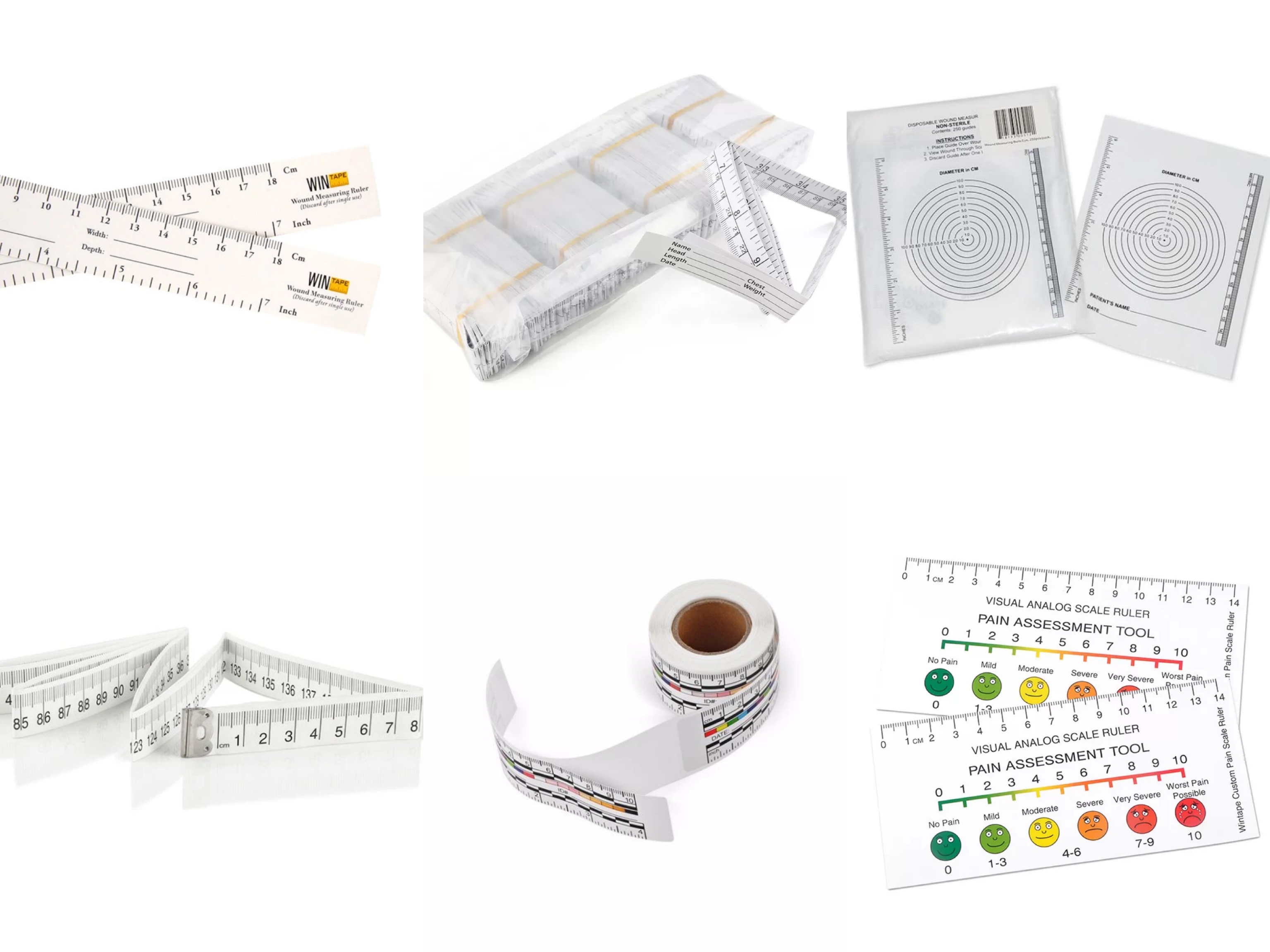
Disposable wound paper rulers / wound paper tape
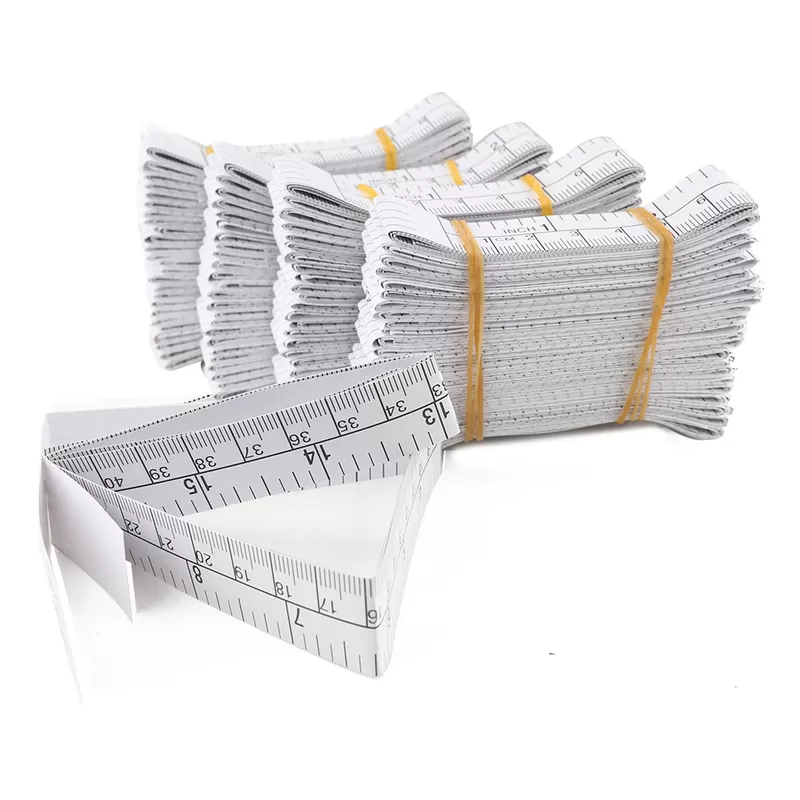
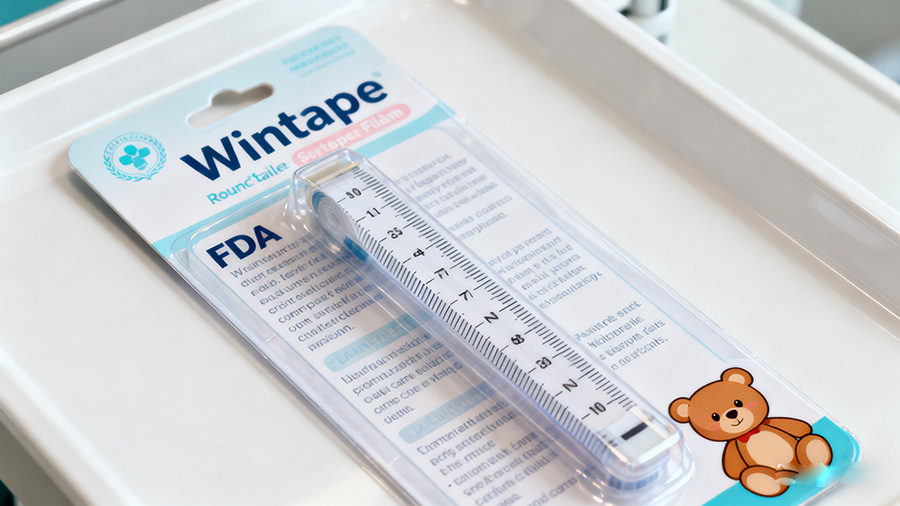
These are single-use “wound rulers” made of art paper, synthetic paper, or PP that can lay over or alongside the wound. Many include blank fields to record patient information, wound site, date, and measurement notes. Because they are disposable, they help prevent cross-infection. Wintape provides wound measuring rulers in art paper, synthetic paper, or PP materials to ensure disposability and minimize cross infection risks.
These rulers often come in standardized lengths (e.g. 18 cm) and have both metric and imperial scales. The printed area allows direct annotation of length, width, and tracking.
Transparent PE bullseye wound measuring guide
A bullseye or “circular grid” transparent plastic overlay can be placed over the wound so the shape can be traced (for irregular wounds) and the maximum diameters read from concentric rings. This helps in documenting wound shape changes, especially for irregular or non-rectangular wounds.
Adhesive (skin-friendly) wound tape
For smaller wounds (e.g. abrasions, small lacerations), adhesive wound measuring tape is available. It sticks gently to skin around the wound, freeing up both hands — the clinician doesn’t have to hold a ruler in place while measuring. Because it adheres adjacent to the wound, it ensures stable alignment. These tapes are often latex-free and designed for single use.
Tyvek / medical grade non-latex measuring tape
Tyvek or medical-grade synthetic paper tapes are latex-free and designed for safe contact with patients with sensitivities. They are also disposable, flexible, and allow contours to body surfaces.
All of these wound measurement devices are intended for single use to avoid cross-contamination and infection risk. Their flexibility and conformability allow the tape to follow curved anatomical surfaces, giving more accurate measures.

1.3 Best practices: How to measure wound size
One commonly used method is the clock method (or “clock face” method):
- Imagine the wound in the plane of a clock, with 12:00 pointing toward the patient's head, 6:00 toward the feet
- Measure the longest wound diameter (e.g. 1:00 to 7:00)
- Then measure the perpendicular diameter (e.g. 4:00 to 10:00)
Using this method plus area estimation (e.g. approximating an ellipse) facilitates consistent tracking of healing over time. (You may refer to our companion article on “How to Measure Wound Size” for details.)
Other tips:
- Always measure at the same patient position
- Use the same reference orientation (e.g. always head-to-toe as “vertical”)
- Record date, measurement method, and any depth assessments
- Take photographs for visual tracking alongside numeric records
2. Monitoring Child Growth & Nutrition: MUAC, Head Circumference, and Infant Tape
Beyond wound care, tape measures are central to pediatric growth monitoring and nutritional screening.
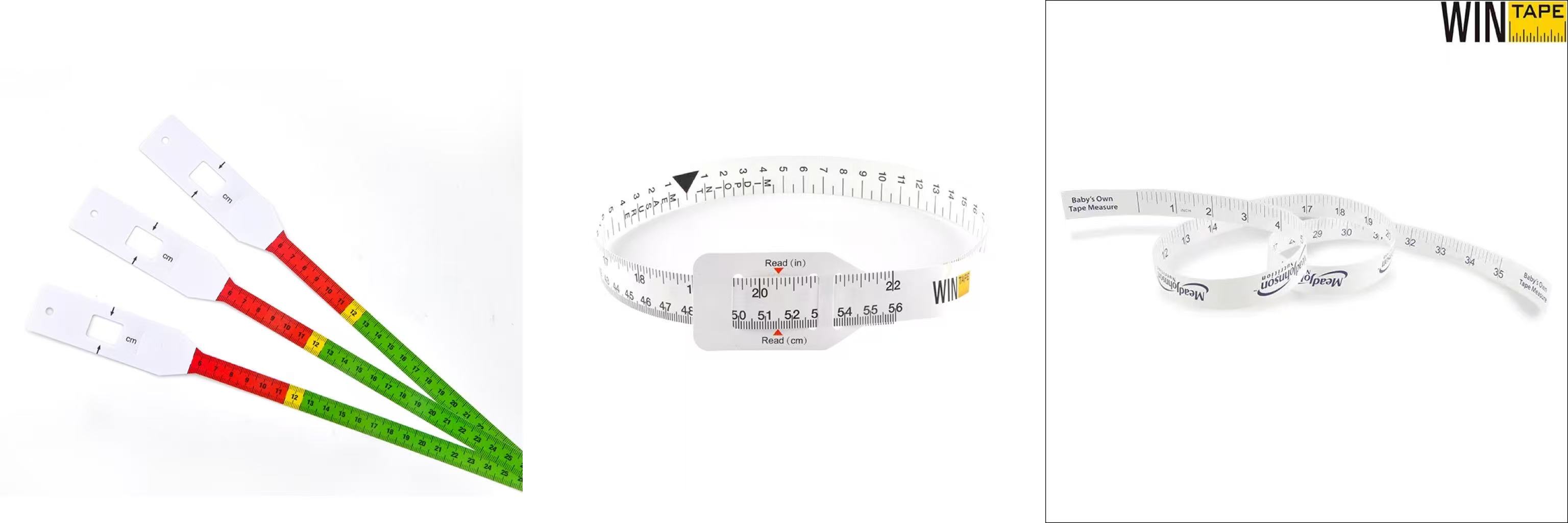
2.1 MUAC tape (Mid-Upper Arm Circumference)
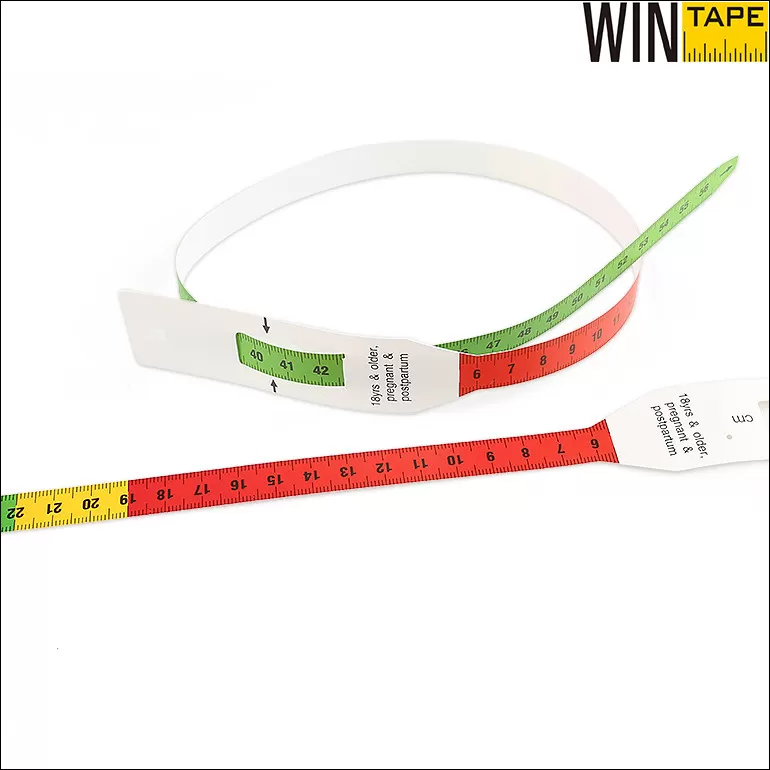
MUAC tape is a widely used anthropometric tool to assess acute malnutrition in children and pregnant women. (You may refer to our companion article on “What Is MUAC Tape Used For?” for details.)
Key advantages:
- Simple, quick, and portable
- Minimal training required
- Especially useful in low-resource or community settings
Recent innovations include the MUAC Z-score tape — integrating age-specific z-score information to allow screening across a broader age range (beyond the typical 6–59 months) and accommodating overnutrition risk.
In a study of community health volunteers, the MUAC Z-score tape achieved ~90.95% concordance with field medical staff measurements, and ~88.26% agreement with BMI Z-scores in identifying malnourished children.
Standard MUAC methodology (for children):
- Identify the midpoint between the acromion and the olecranon
- Wrap a non-stretchable tape at that midpoint
- Read circumference
- Compare against cutoff or color bands
Typically the non-dominant arm is used; for children under one year old, the left arm is commonly chosen.
2.2 Head circumference tape
Measuring a newborn or infant’s head circumference is essential for monitoring brain growth and detecting conditions like microcephaly or macrocephaly. A flexible, non-stretch tape specifically calibrated for head circumference is used. These tapes typically wrap just above the eyebrows and around the widest part of the skull. Because head growth in early life is rapid, standardized tape usage allows consistent longitudinal tracking. (You may refer to our companion article on “Which Tape Measures Head Circumference” for details.)
2.3 Infant/Neonate synthetic paper measuring tape
For measuring length, chest circumference, and head circumference in newborns, many hospitals use synthetic paper infant measuring tapes. Made of tear-resistant, waterproof paper, these tapes are hygienic, disposable, and safe for newborn skin contact. The prints include both cm and inches, and the tapes are flexible enough for body curves. Their disposable nature helps reduce cross-contamination in neonatal units. (You may refer to our companion article on “What is Child Measurement” for details.)
3. Adult Body Measurements: Fitness, Obesity Risk, and Health Monitoring
In health, fitness, and preventive care contexts, tape measures help track body dimensions that correlate with health risks and fitness progress. (You may refer to our companion article on “Why Waist Circumference + BMI Tracking Improves Health” for details.)
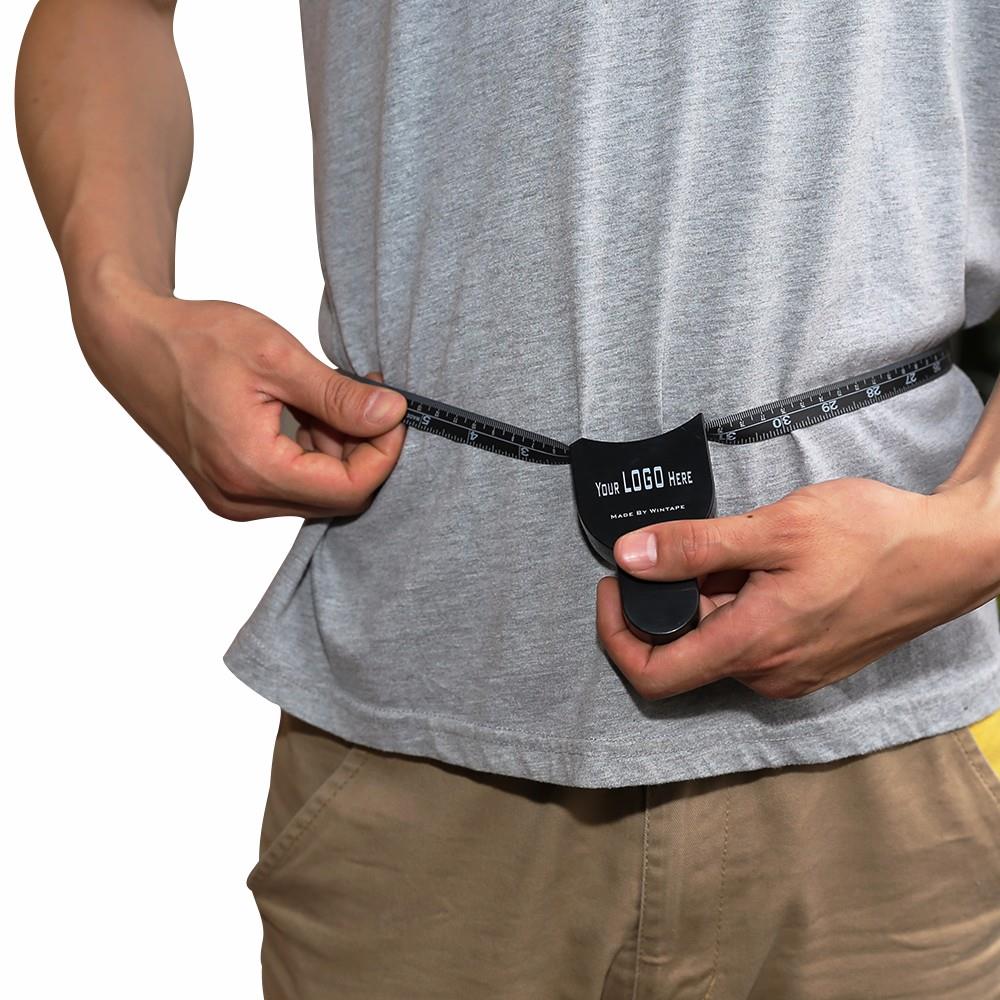
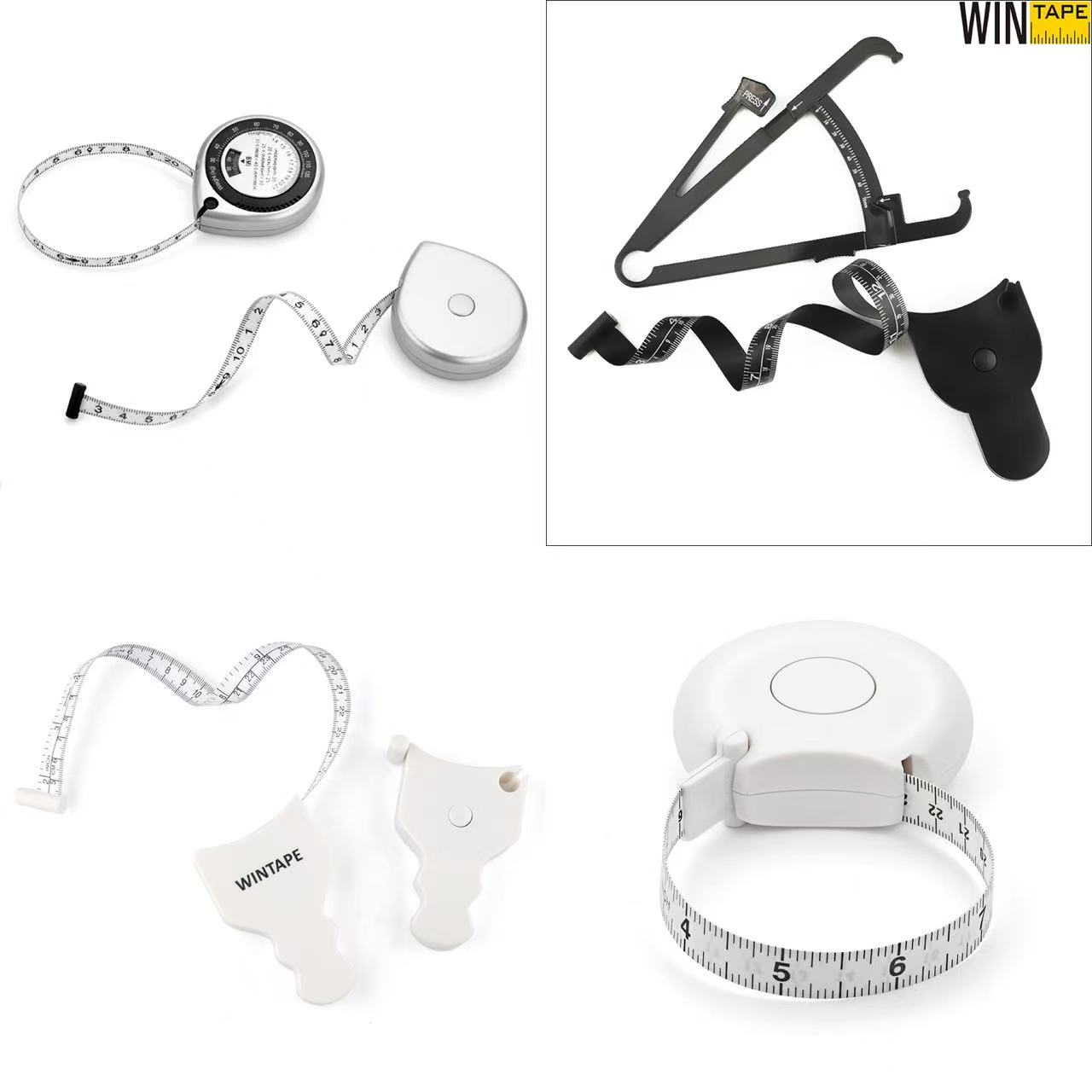
3.1 Waist / Hip / Body Tape Measures
These soft, flexible tapes are designed for measuring the circumference of waist, hips, chest, thighs, arms, etc. They are widely used in gyms, nutrition clinics, and for self-monitoring.
- BMI + waist tape: Some tapes integrate a sliding BMI calculator on a casing — you measure waist, then slide to get BMI instantly.
- Waist-to-hip ratio: By measuring waist and hip circumference, clinicians or coaches can assess cardiovascular risk (WHR).
The convenience of these tapes makes regular self-monitoring feasible.
3.2 Body fat calipers + measurement tape
While calipers measure skinfold thickness in mm, combining that with circumference measurements improves body composition estimates. Many kits include a soft tape for circumference along with calipers.
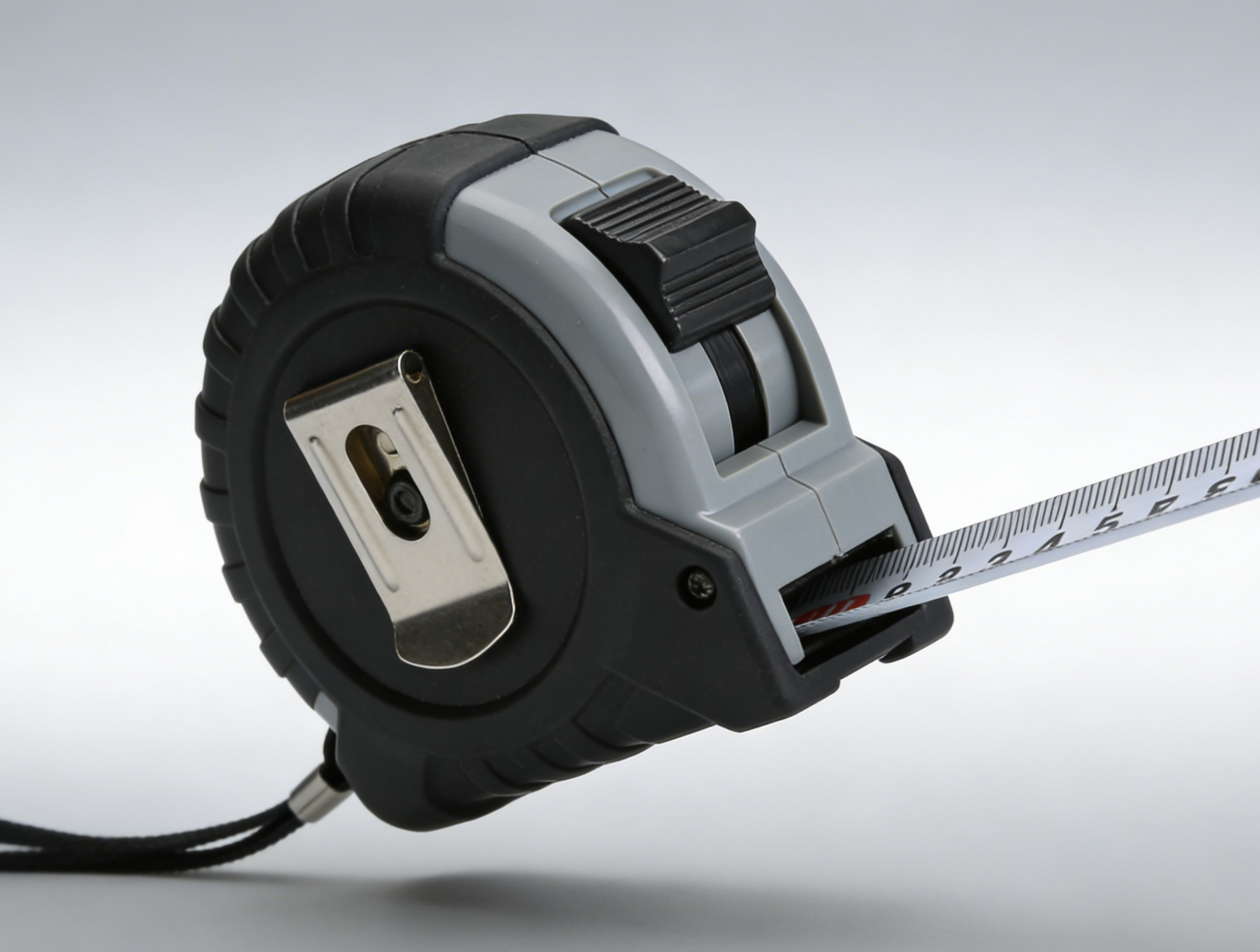
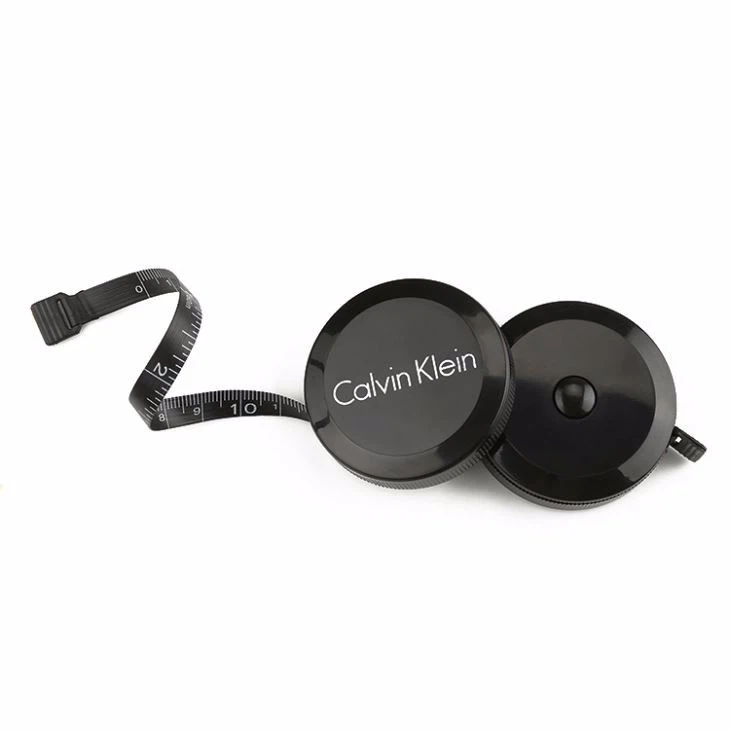
3.3 Retractable medical-grade body tape
For clinical assessments or professional settings, retractable tapes (with rigid housing, locking mechanism) are sometimes used to measure body parts precisely and hygienically.
These body measurement tapes support preventive health efforts such as:
- Early detection of central obesity
- Tracking weight-loss and fat-loss progress
- Monitoring muscle gain
- Providing secondary indicators of metabolic risk
4. Why Choose a Specialist Supplier like Wintape?
For healthcare providers, clinics, or institutions that require reliable and customizable tape measurement solutions, a specialist manufacturer makes the difference. Wintape offers the capability to custom-produce medical tape measures — including wound rulers, MUAC tapes, and pediatric measurement tapes — using medical safe materials (art paper, synthetic paper, PP) that are disposable and reduce cross-contamination risks. tapemeasuring.com
With Wintape, buyers can request:
- Customized dimensions and scales (metric, imperial, or combined)
- Printing of institutional logos, patient data fields, or QR codes
- Latex-free / medical-grade materials
- High-volume manufacture with consistent precision
By selecting a partner like Wintape, your facility can standardize measurement tools, maintain brand consistency, and ensure high quality — all while supporting infection control protocols.
Conclusion
Tape measures in healthcare play unsung but vital roles across wound care, pediatric growth assessment, and adult health monitoring. From disposable wound rulers to MUAC tapes and digital body measurement tools, their correct selection and use can improve accuracy, streamline workflows, and enhance patient documentation. For clinics and health organizations aiming to purchase or customize medical-grade tape measures, Wintape presents a compelling solution in reliability, flexibility, and safety.








Wintape Measuring Tape Company
Custom Tape Measure Manufacturers
For All Your Measuring and Promotional Needs.
86-18588000509
cici@tape-measure.com
Custom Tailor Measuring Tape
Custom Body Measuring Tape
Custom Paper Measuring Tape
Custom MUAC Tape
Custom Wound Ruler
Custom Diameter Pi Tape
Custom Digital Tape Measure Laser
Custom Adhesive Measuring Tape
Custom Mini Tape Measure
Custom Horse Weight Tape
Custom Stainless Steel Tape Measure
Custom Long Tape Measure
Custom Measuring Tape
© 2025 Wintape Tape Measure Co.,Ltd | Privacy Policy | Sitemap | Contact Us | Powered by matchPages