






.webp)
.webp)
Healthcare professionals now recommend combining Body Mass Index (BMI) with waist circumference for health assessments. Using BMI alone misses critical risks linked to abdominal fat distribution. Excess abdominal fat directly contributes to diseases like heart disease and diabetes. Dual-metric tracking provides a clearer health picture.
BMI Alone Is Incomplete
BMI estimates body fat from height and weight but cannot reveal fat distribution. Two people with identical BMI may have vastly different body compositions: one with dangerous visceral fat around organs, another with harmless subcutaneous fat. This limitation is critical because:
Misclassification risk: Up to 30% of individuals with "normal" BMI have high visceral fat, increasing mortality risk by 22%.
Ethnic variations: Asian populations show higher diabetes risk at lower BMI due to central adiposity.
Waist Circumference Reveals Hidden Risks
Waist measurement directly correlates with visceral adipose tissue (VAT), which releases inflammatory chemicals that impair insulin sensitivity and lipid metabolism. Key evidence includes:
Disease thresholds:
Men: >94 cm → 2× heart disease risk
Women: >80 cm → 48% higher diabetes incidence 36.
Superior predictability: Waist circumference outperforms BMI in forecasting type 2 diabetes (AUC: 0.79 vs. 0.64).
Ethnic-specific norms: Studies confirm waist-to-height ratio >0.5 universally signals risk, but optimal cutoffs vary (e.g., lower in Asians).
Table: Waist Circumference Health Risk Thresholds by Population
| Population | Low Risk | High Risk | Source |
|---|---|---|---|
| Men (Global) | <94 cm | ≥102 cm | NHLBI (2000) |
| Women (Global) | <80 cm | ≥88 cm | NHLBI (2000) |
| East Asian Men | <85 cm | ≥90 cm | Zhang et al. (2015) |
| East Asian Women | <75 cm | ≥80 cm | Zhang et al. (2015) |
Synergy in Dual Tracking: Key Evidence
Combining BMI and waist circumference amplifies risk prediction:
Diabetes: High TyG index (insulin resistance) + high WWI (visceral fat) raises risk 59% vs. 30% for either alone.
Heart disease: Those with high BMI and large waists face double the mortality of those with high BMI alone.
Interventions: Combining intermittent fasting with exercise reduces waist circumference 2.5× more than fasting alone (−2.51 cm vs. −1.32 cm).
Innovations in Tracking Tools
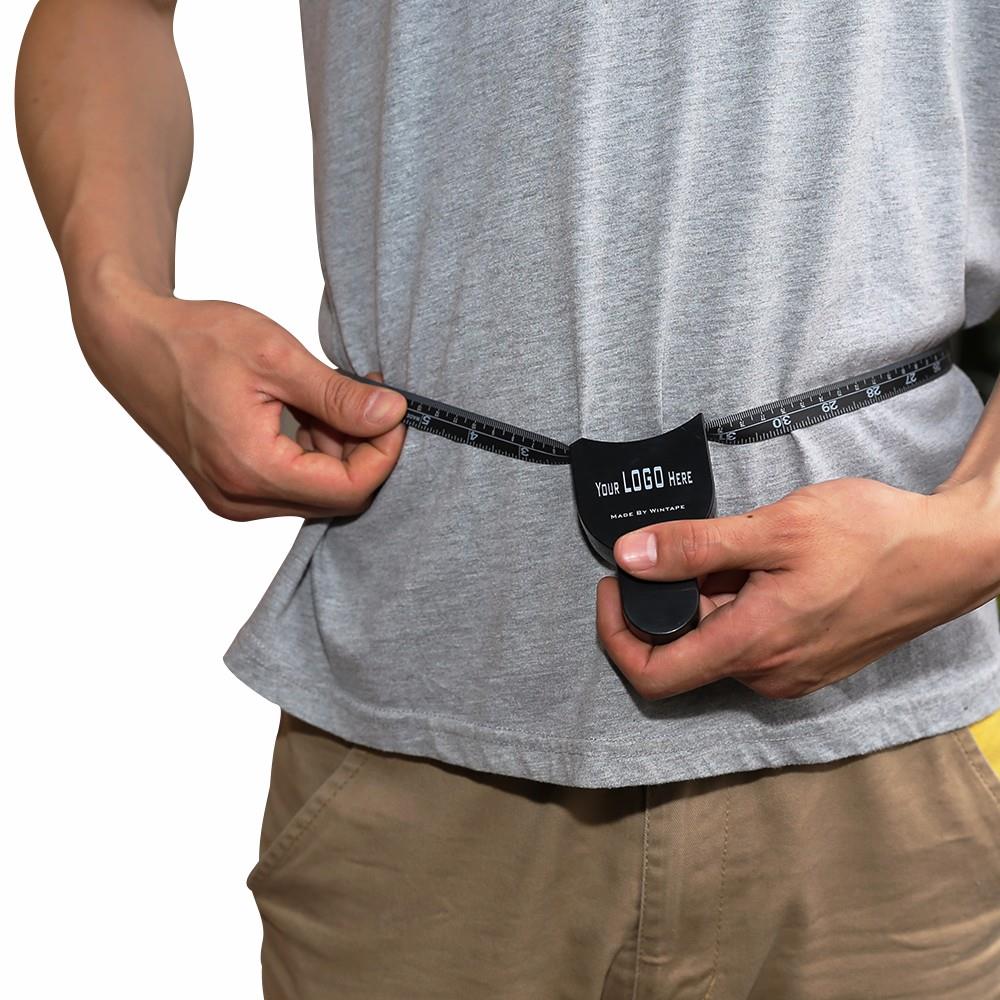
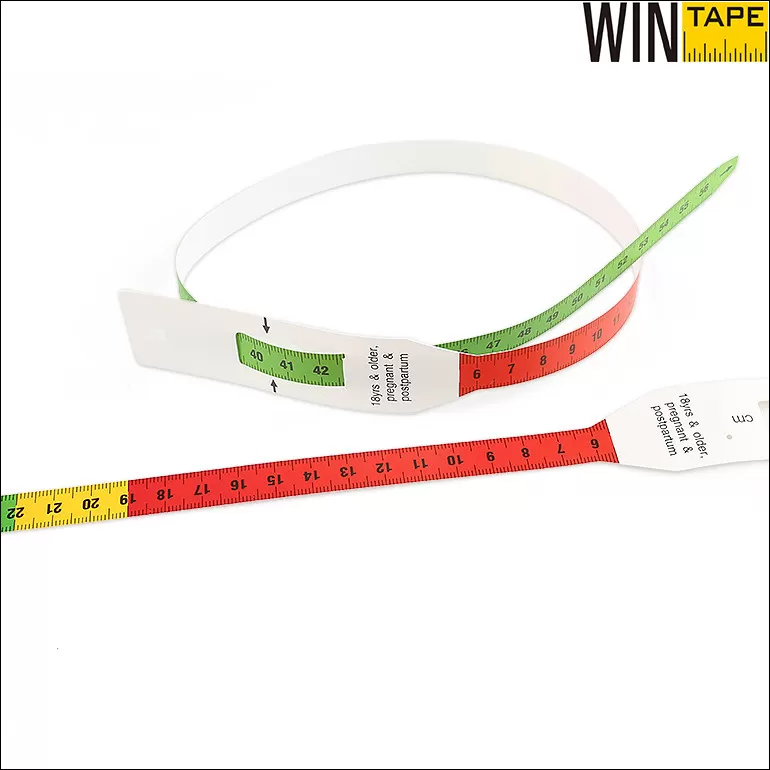
Modern BMI tape measures address historical measurement barriers:
No-math tools: Slide selectors instantly calculate BMI using kg/stone + cm/in inputs.
Gender/ethnic customization: Color-coded zones reflect sex-specific healthy waist ranges (e.g., Green: <80 cm women; <94 cm men).
Stability features: Figure-8 end hooks prevent slippage during solo measurements.
Cost efficiency: Replaces expensive DEXA scans/BIA devices for routine tracking.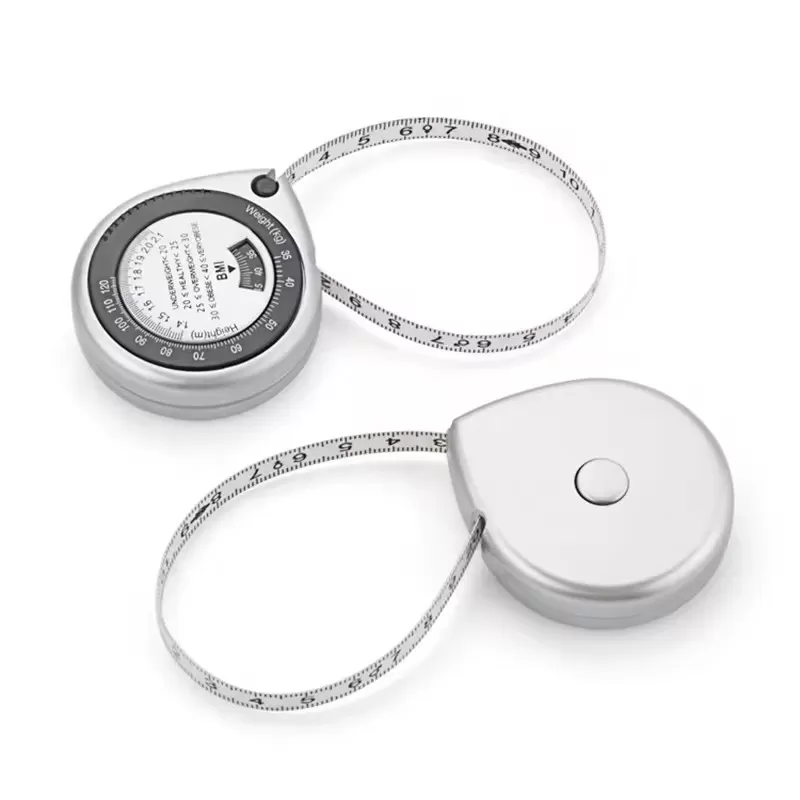
Actionable Guidance for Prevention
Screen early: Dual metrics identify risks before glucose/BMI abnormalities arise.
Prioritize lifestyle: Reduce ultra-processed foods (↑22.7% energy intake → +1.71 cm waist) 8 and add resistance training (preserves muscle during weight loss).
Track dynamically: Monthly waist + BMI checks outperform annual clinical exams for trend detection.
Conclusion
Waist circumference and BMI are complementary metrics that expose distinct pathways to cardiometabolic disease. Dual tracking is feasible via affordable, precise tools like BMI tapes, enabling early interventions. Future guidelines should standardize sex- and ethnic-specific waist thresholds to maximize prevention impact.
Cerhan et al. (2015), Mayo Clinic Proceedings
NHLBI (2000), Obesity Clinical Guidelines
Zhang et al. (2015), Annals of Internal Medicine
Ross et al. (2020), Obesity Reviews
Barbosa et al. (2012), Revista Paulista de Pediatria
Wang et al. (2005), AJCN; Lean et al. (1995), Eur J Clin Nutr
ShapeUp! Kids Study (2023), Nutrition, Metabolism & Cardiovascular Diseases
ELSA-Brasil Cohort (2018), Public Health Nutrition
Klein et al. (2007), Diabetes Care
Waist-to-height ratio meta-analysis (2016), Pediatric Obesity






Wintape Measuring Tape Company
Custom Tape Measure Manufacturers
For All Your Measuring and Promotional Needs.
86-18588000509
cici@tape-measure.com
Custom Tailor Measuring Tape
Custom Body Measuring Tape
Custom Paper Measuring Tape
Custom MUAC Tape
Custom Wound Ruler
Custom Diameter Pi Tape
Custom Digital Tape Measure Laser
Custom Adhesive Measuring Tape
Custom Mini Tape Measure
Custom Horse Weight Tape
Custom Stainless Steel Tape Measure
Custom Long Tape Measure
Custom Measuring Tape
© 2025 Wintape Tape Measure Co.,Ltd | Privacy Policy | Sitemap | Contact Us | Powered by matchPages