






.webp)
.webp)
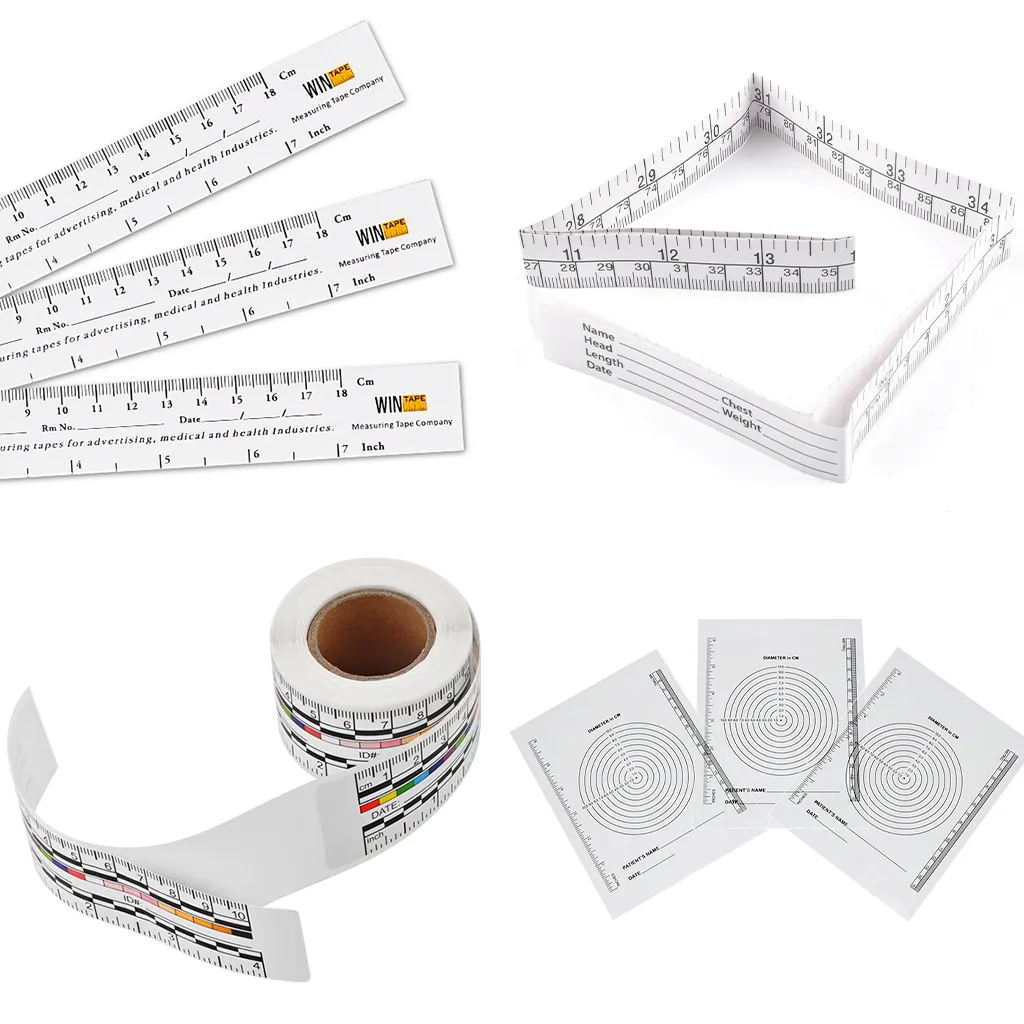
Accurate wound measurement is a critical component of effective wound management and treatment. It provides valuable objective data that helps healthcare professionals monitor healing progress, evaluate treatment efficacy, and make informed decisions about patient care. Without precise measurement, it's challenging to determine whether a wound is improving, worsening, or stagnating. This article explores various methods and tools for wound measurement, answering key questions that medical professionals frequently encounter.
How Do You Measure the Size of a Wound?
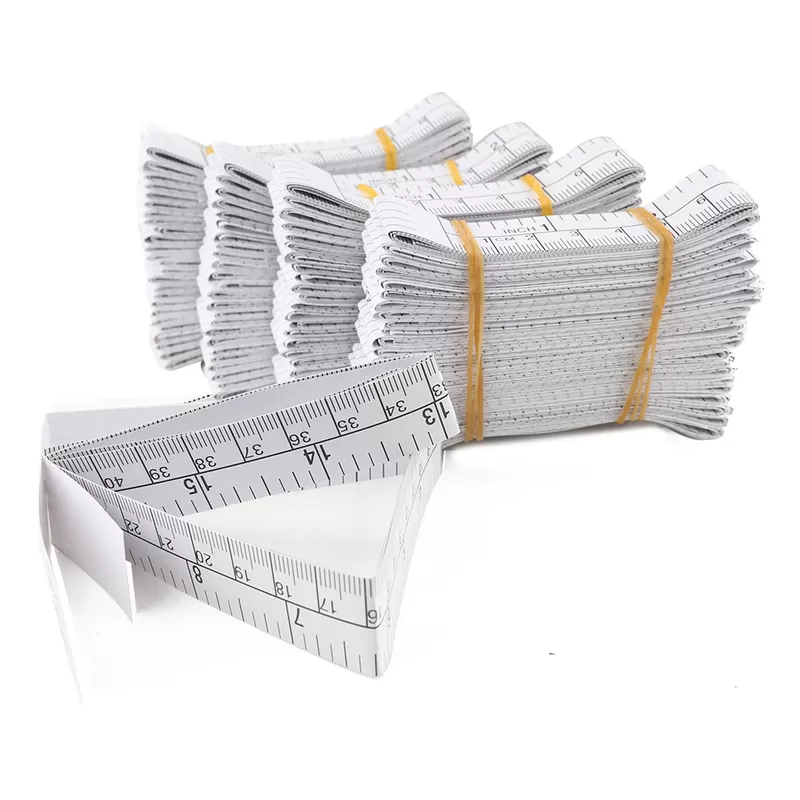
Measuring wound size requires attention to detail and consistency in approach. To measure a wound accurately, you typically need a sterile, disposable paper wound ruler to measure its length, width, and depth. The process involves several careful steps:
- Prepare for Measurement: Gather supplies including a disposable, sterile centimeter ruler and a pre-moistened cotton-tipped applicator. Ensuring cleanliness is crucial for infection control and preventing cross-contamination.
- Measure Length and Width: Using the clock method (explained in detail next), imagine a clock face over the wound. Position the patient's head at the 12:00 position and feet at the 6:00 position. Measure the longest part of the wound from the 12:00 to 6:00 axis (head-to-toe) for length. Measure the widest part at a 90-degree angle to the length measurement, using the 3:00 to 9:00 axis (side-to-side) for width.
- Measure Depth: Gently insert a sterile, pre-moistened cotton-tipped applicator into the deepest part of the wound bed. Mark or grasp the applicator at the level where it meets the skin surface, then measure the marked portion against the centimeter ruler.
- Document and Record: Calculate approximate surface area by multiplying length and width measurements. Record all findings including length, width, and depth. Consistency in measuring position and technique is essential for accurate tracking.

Research shows that modern approaches are evolving beyond manual methods. A 2022 study demonstrated a 3D wound measurement method based on image segmentation and holes inpaining that achieved measurement errors below 3%, significantly improving accuracy over traditional methods.
What Is Clock Method for Wound Measurement?
The "clock method" for wound measurement is a standardized technique that involves envisioning the patient's body as a clock face, with the head at 12:00 and the feet at 6:00. This provides a consistent orientation for assessing a wound's dimensions regardless of patient position or wound location.
How to use the clock method effectively:
- Orient the patient: Ensure the patient is in a neutral position, with their head at the 12:00 position and feet at the 6:00 position on the imaginary clock face.
- Measure length: Use a sterile ruler to measure the wound's greatest length along the 12:00 to 6:00 axis.
- Measure width: Measure the wound's greatest width, perpendicular to the length, along the 3:00 to 9:00 axis.
- Record measurements: Document both dimensions along with their corresponding clock positions for future reference.
This method is particularly valuable because it establishes a consistent head-to-toe reference point that allows different healthcare providers to measure the same wound consistently over time, even when measurements are taken by different individuals. For wounds on curved surfaces or extremities, the method adapts well—for foot wounds, the heel is typically considered 12:00 and the toes 6:00.
What Is Wound Measurement and Tracing?
Wound measurement and tracing are clinical processes used by healthcare professionals to document and monitor a wound's size, shape, and healing progression over time. While basic measurements provide length, width, and depth data, tracing offers a more comprehensive approach for irregularly shaped wounds.
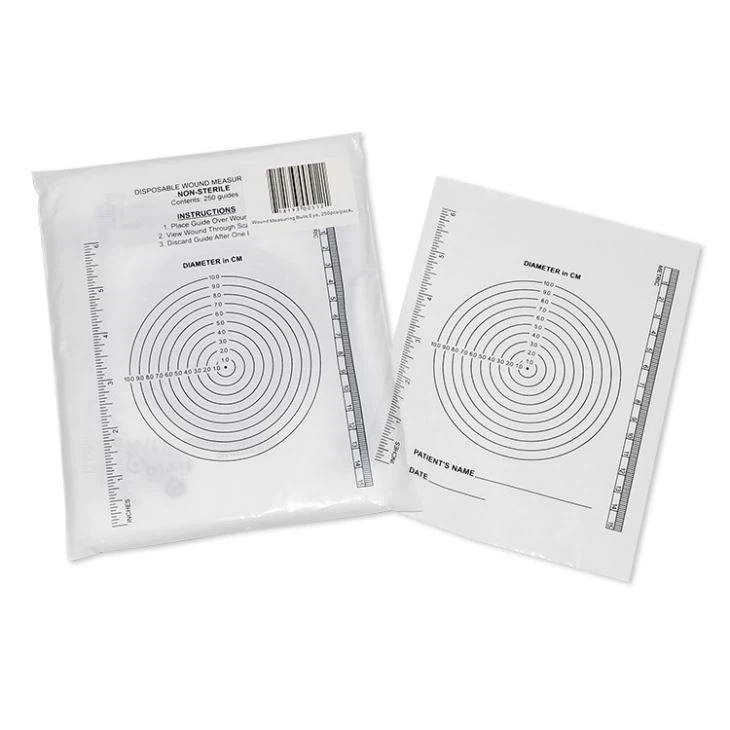
Tracing involves placing a transparent bullseye wound measuring guide over an irregular wound, drawing its outline, and then using the template to calculate its surface area. This technique provides a more accurate representation of complex wounds compared to simple length and width measurements alone.
Why is wound tracing important?
- Monitor Healing: Tracking wound size helps determine if a wound is healing, getting worse, or staying the same.
- Guide Treatment: Accurate measurements allow healthcare providers to adjust treatment plans effectively.
- Document Progress: Tracings create a visual record that can be stored in electronic health records (EHRs) to show how a wound changes over time.
How to trace a wound effectively:
- Prepare: Place a sterile, transparent film or acetate sheet over the wound.
- Trace: Use a fine-tipped, indelible marker to trace the wound's perimeter onto the film.
- Calculate Area: Use one of several methods:
- Grid Method: Place the tracing onto a paper grid and count the number of squares within the outline.
- Weight Method: Cut out and weigh the tracing on a scale calibrated to area measurements.
- Digital Methods: Use electronic devices or computer software for precise area calculation.
Studies have shown that standardized wound assessment tools, including specialized wound rulers and tracing materials, can significantly improve assessment accuracy.
How Often Should a Wound Be Measured?
The frequency of wound measurement depends on several factors including wound type, healing phase, and clinical setting. As a general guideline:
- Chronic wounds should typically be measured weekly to monitor progress and guide treatment decisions.
- Acute wounds or those in rapid healing phases may need more frequent measurement, potentially at each dressing change.
- Pressure injuries require regular assessment with a recommended frequency of every 1-2 weeks for chronic wounds and more frequently (every 2-4 hours or at each dressing change) for acute wounds.
Consistency in both measurement method and timing is more important than the specific frequency chosen, as this allows for reliable comparison over time. Research indicates that wound size reduction after 4 weeks of treatment is a significant indicator of healing potential, with a 40% reduction in area suggesting a positive prognosis.
Medical institutions often implement standardized assessment protocols that include specific measurement frequencies. For example, some studies recommend wound assessment "at least once a week, with increased frequency when wound changes occur," implementing a first-assessment responsibility system and proper handover management to ensure assessment consistency and completeness.
Enhance Your Wound Care Practice with Customized Wound Measurement Tools
Accurate wound measurement is essential for effective patient care and treatment monitoring. While the methods described in this article provide a solid foundation for wound assessment, having the right tools can significantly improve accuracy and efficiency in clinical practice.
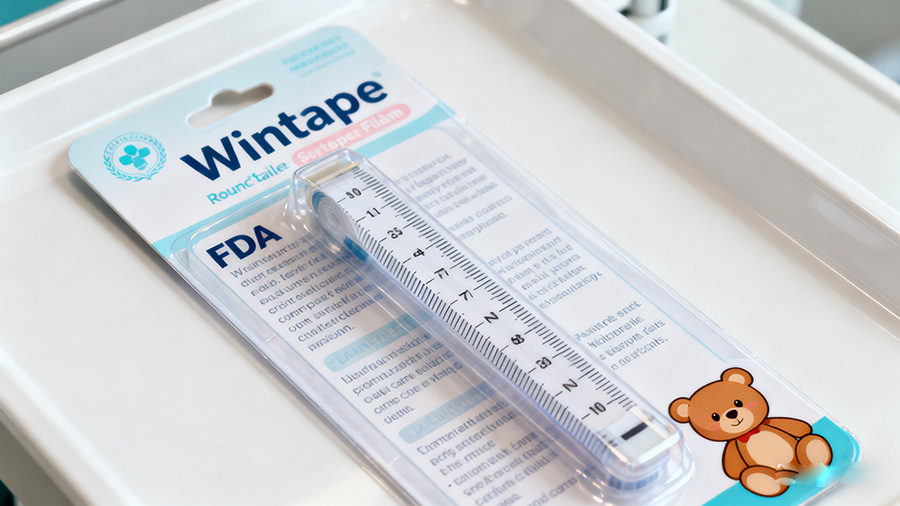
Wintape offers customizable wound measurement rulers that can be tailored to your specific clinical needs. Our customization services include:
- Logo integration: Add your institution's logo for brand consistency and identification.
- Design customization: Adapt the design to suit your specific measurement requirements and preferences.
- Material selection: Choose from various materials to meet your sterilization and durability needs. We have mateials, such as coated paper, transparent PE plastic; adhesive sythetic paper and tyvek paper.
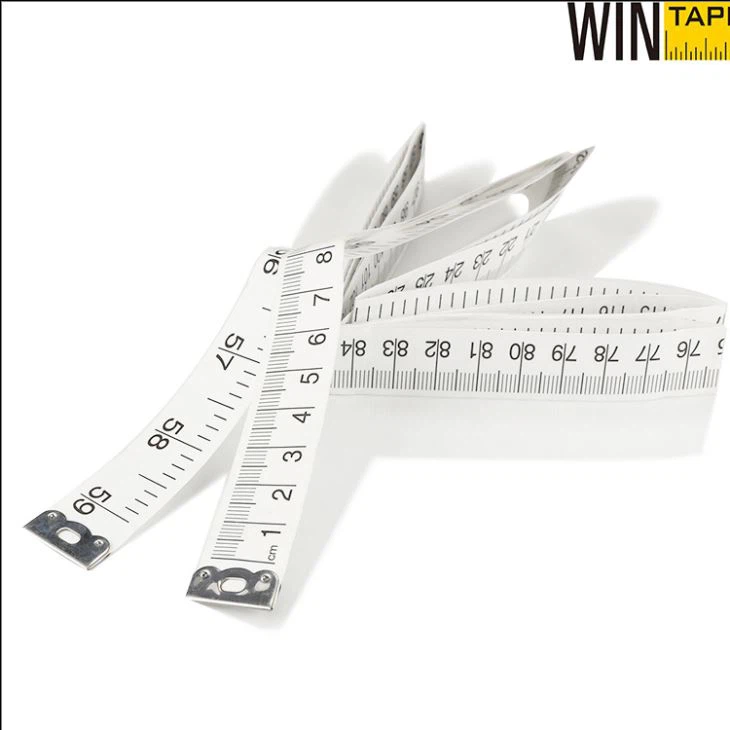
Whether you need specialized rulers for clock method measurements, transparent tracing templates, or customized grids for area calculation, Wintape can create measurement tools that enhance your wound assessment capabilities and standardize measurements across your practice.


Wintape Measuring Tape Company
Custom Tape Measure Manufacturers
For All Your Measuring and Promotional Needs.
86-18588000509
cici@tape-measure.com
Custom Tailor Measuring Tape
Custom Body Measuring Tape
Custom Paper Measuring Tape
Custom MUAC Tape
Custom Wound Ruler
Custom Diameter Pi Tape
Custom Digital Tape Measure Laser
Custom Adhesive Measuring Tape
Custom Mini Tape Measure
Custom Horse Weight Tape
Custom Stainless Steel Tape Measure
Custom Long Tape Measure
Custom Measuring Tape
© 2025 Wintape Tape Measure Co.,Ltd | Privacy Policy | Sitemap | Contact Us | Powered by matchPages