






.webp)
.webp)
Measuring tree diameter is a fundamental skill in forestry, arboriculture, and horticulture. Accurate measurements provide vital information about a tree's growth rate, health, age, and the overall volume of timber in a stand. This data informs crucial decisions about forest management, wildlife habitat conservation, and the economic value of wood resources.
Whether you're a professional forester or a curious homeowner, understanding how to properly measure a tree is essential. This article will guide you through the best tools and techniques.
How to Check the Diameter of a Tree
The standard method for measuring a standing tree is Diameter at Breast Height (DBH). This is measured at a standardized height of 4.5 feet (1.37 meters) above the ground78. This consistent point of measurement allows for accurate comparisons and growth tracking over time.
The two most common tools for measuring DBH are diameter tapes and tree calipers. Each operates on a different principle but aims to deliver an accurate diameter reading.
What Does a Diameter Tape Look Like?
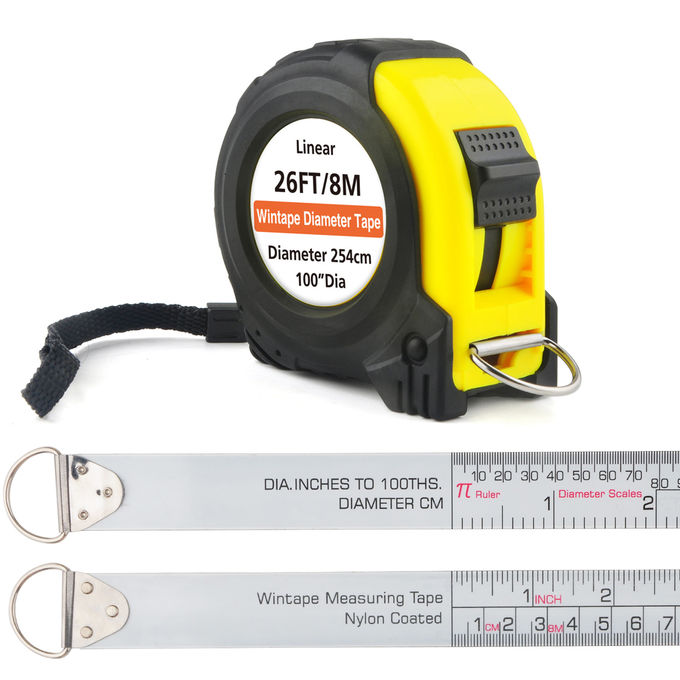
A diameter tape (D-tape) is a specialized tool designed for convenience and efficiency. It's typically small and portable, often featuring a durable metal case that houses a steel tape7. Some models may use lightweight materials like ABS cases with fiberglass tapes for added durability and weather resistance.
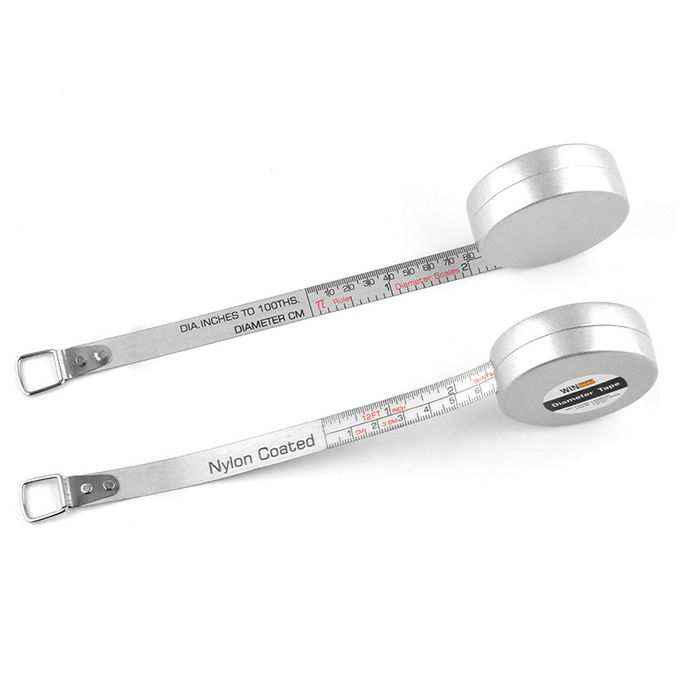
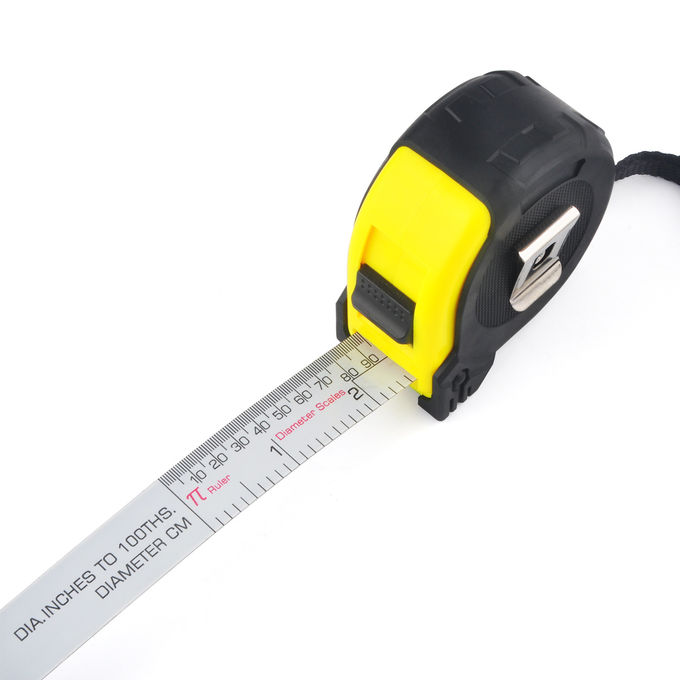
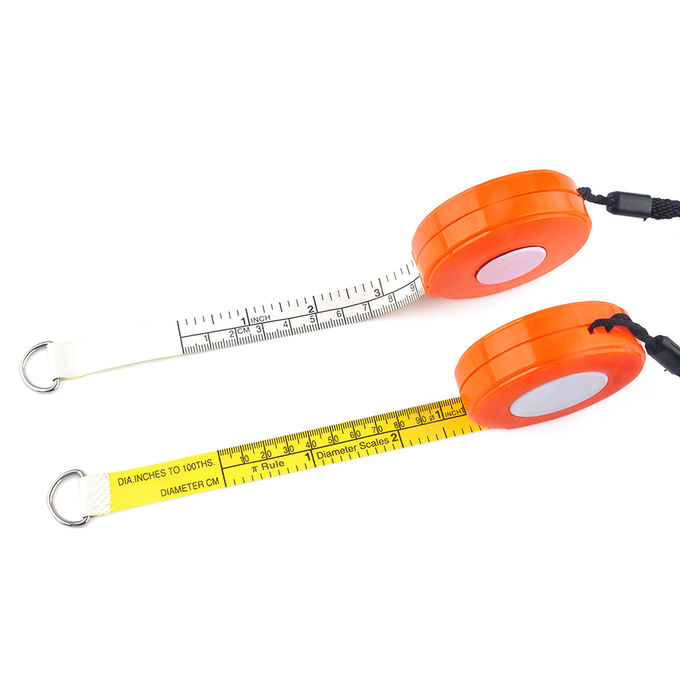
The key feature of a diameter tape is its dual-scale design:
- One side of the tape displays the standard linear inches or centimeters to measure circumference.
- The opposite side converts this circumference reading directly into diameter, using the formula Diameter = Circumference / π (where π is approximately 3.1416). This allows the user to read the diameter directly without any manual calculation7.
For enhanced readability, some diameter tapes use a two-color design—for instance, a white background for the circumference scale and a yellow background for the diameter scale. This makes it quick and easy to find the correct reading.
Is Tree Caliper the Same as Diameter Tape?
While both tools measure tree diameter, calipers and diameter tapes are not the same and can yield slightly different results2.
A study comparing these tools found that calipers consistently returned lower estimates of DBH compared to diameter tapes across a range of tree sizes. This difference increased with larger trees. In stands with smaller average diameters, the maximum mean difference was about 4%, growing to roughly 8% for larger trees2.
The primary distinction lies in what they measure:
- Tree Calipers: Physically measure the straight-line width of the trunk between two points. They are particularly useful for measuring at different heights and on irregular trunks but can be cumbersome for very large trees (typically those beyond 65 cm)2.
- Diameter Tape: Measures the circumference of the trunk and automatically converts it to a diameter reading. It requires only one-handed operation and is not limited by tree size7.
| Feature | Diameter (DBH) | Caliper |
|---|---|---|
| Primary Use | Forestry, arboriculture, and science. Used for mature trees in landscapes and forests. | Nursery and landscaping industry. Primarily used for pricing and specifying young, nursery-grown trees. |
| Measurement Point | Diameter at Breast Height (DBH): Standardly measured at 4.5 feet (1.37 m) above the average ground level. | Measured 6 inches above the soil line for trees up to 4" caliper. For trees over 4", the measurement is taken 12 inches above the soil line. |
| Method | Measured with a diameter tape (D-tape) which automatically converts circumference to diameter, or with calipers for more accurate readings on irregular trunks. | Traditionally measured with a special caliper tool (a large, hinged set of jaws). Today, it's often just measured with a regular tape measure. |
| Purpose | Used to calculate tree age, growth rate, volume, biomass, and overall health. It's a scientific standard. | Used primarily for grading and pricing trees in a nursery. A larger caliper size means a higher price. |
The choice between them often depends on the specific need for speed, precision, and the size of the trees being measured.
What Are the Advantages of Diameter Tape
The diameter tape is a favorite among many forestry professionals for several compelling reasons:
- Direct Reading, No Calculation Needed: Its greatest advantage is the instant diameter conversion. You simply wrap the tape around the tree and read the diameter directly, eliminating the need for manual math (Circumference / π)7.
- Highly Portable and Pocket-Sized: Its compact and flexible design makes it easy to carry in a field vest pocket or on a belt, ensuring it's always accessible7.
- Versatile for Large Trees: Unlike mechanical calipers, which have a limited jaw span, a diameter tape can measure trees of virtually any size, limited only by the length of the tape itself.
- Durable for Field Use: Constructed from materials like steel or fiberglass, these tapes are built to withstand the rigors of outdoor environments, from abrasive tree bark to harsh weather conditions.
How to Use a Tree Diameter Tape Measure
Using a diameter tape correctly is straightforward. Here’s a step-by-step guide to ensure an accurate DBH measurement78:
- Locate the Correct Height: Identify the standard DBH point on the tree trunk: 4.5 feet (1.37 meters) above ground level. Use a measuring stick if needed to find this height accurately.
- Position the Tape: Hold the zero end of the diameter tape in one hand. Place the tape at the DBH point on the trunk, ensuring the side of the tape with the diameter scale (often color-coded) is facing outward for reading.
- Wrap the Tape: Gently but firmly wrap the tape around the tree's circumference at breast height. Keep the tape level and horizontal around the trunk. Ensure it sits snugly against the bark without any gaps or twists. For trees on a slope, measure DBH from the uphill side.
- Read the Measurement: Once the tape is wrapped completely around the tree and the zero point is overlapped, look at the diameter scale. The number where the zero end of the tape meets the scaled side is the tree's diameter.
- Record the Result: Note the diameter measurement immediately for your records.
For the most accurate reading, especially on trees with rough or deeply furrowed bark, ensure the tape is following the contours of the bark closely.
Frequently Asked Questions (FAQ)
Can I use a regular measuring tape instead of a diameter tape?
Yes, but with a crucial extra step. A regular tape will only give you the circumference. You must then divide that number by π (3.1416) to calculate the diameter. A diameter tape performs this conversion automatically on the tape itself.
Why do foresters measure at 4.5 feet?
This standard height, known as Diameter at Breast Height (DBH), creates a consistent reference point. This allows for reliable comparisons between trees, accurate tracking of growth over time, and the use of standardized charts and tables for estimating timber volume.
What is the easiest tool for a beginner to use?
A diameter tape is arguably the easiest tool for a beginner. The process is intuitive—wrap and read—with no complex calculations or techniques required to get a direct diameter reading.
Can I Customize Diameter Tape Measure?
Absolutely! At Wintape, we specialize in providing fully customizable diameter measuring tool. We can imprint your company logo, brand colors, contact information, or any specific design onto the tape's blade and case, transforming a standard measuring tool into a powerful branded asset.
Custom diameter tapes are perfect for a wide range of applications, including:
- Promotional Products & Corporate Gifts: Create highly practical and appreciated gifts for clients, partners, and employees. A customized tape measure is a lasting reminder of your brand that stands out from typical promotional items.
- Industry-Specific Branding (Construction, Forestry, Engineering): Equip your teams with branded tools or use them as premium giveaways at trade shows, conferences, and site visits. It directly targets professionals who rely on precise measurements daily.
- Educational Tools: Customize tapes for schools, training centers, or workshops. They can be printed with specific instructions, formulas, or educational graphics to aid in learning.


Wintape Measuring Tape Company
Custom Tape Measure Manufacturers
For All Your Measuring and Promotional Needs.
86-18588000509
cici@tape-measure.com
Custom Tailor Measuring Tape
Custom Body Measuring Tape
Custom Paper Measuring Tape
Custom MUAC Tape
Custom Wound Ruler
Custom Diameter Pi Tape
Custom Digital Tape Measure Laser
Custom Adhesive Measuring Tape
Custom Mini Tape Measure
Custom Horse Weight Tape
Custom Stainless Steel Tape Measure
Custom Long Tape Measure
Custom Measuring Tape
© 2025 Wintape Tape Measure Co.,Ltd | Privacy Policy | Sitemap | Contact Us | Powered by matchPages